

The farmers are back at the fields picking ripe cherries. The processing area is ready for the ripe cherries. The tools get cleaned (or at least sorted). And even when the body starts slowing down, the mind keeps replaying the season—what went well, what didn’t, what we want to do better next time.

For Agnep Heritage Coffee, 2025 was a year of being more intentional. Less guessing. More observing. More tightening up the basics—on the farm, in processing, and in how we support the people around us.
It wasn’t perfect. But it felt like real progress.
What stayed the same
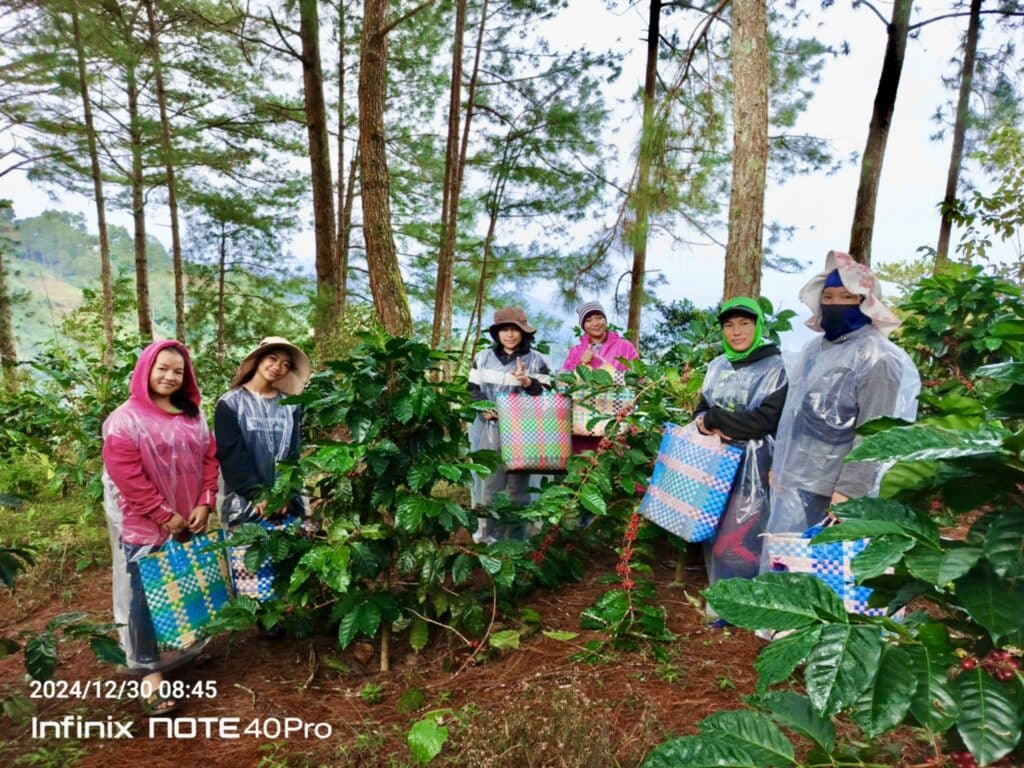
We’re still here for the same reason we came back: to bring coffee back to our great-grandmother’s land in Benguet. It’s a simple reason, but it’s the one we hold on to when the work gets hard especially when the better choice is the slower one.
We grow Arabica in Balili, Mankayan, Benguet, at around 1,620 meters above sea level. And because our trees grow under Benguet pine, Kalasan, and Alnus, the farm doesn’t look like a typical plantation. It feels more like a piece of forest that happens to have coffee trees in it.
We focus on soil health, using JADAM-inspired inputs and practices that support long-term plant strength.
What moved forward in 2025
1) We got clearer with processing (and why it matters)
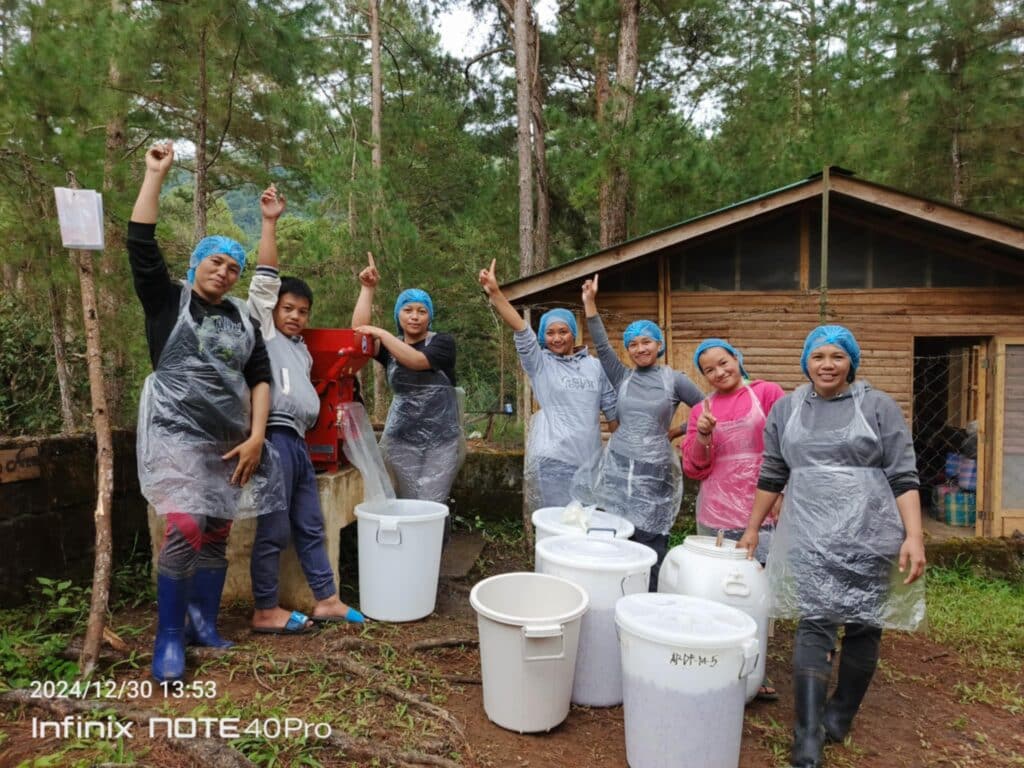
This year, we continued working on traceable micro-lots and being more deliberate with our post-harvest choices—especially washed lots and anaerobic fermentation.
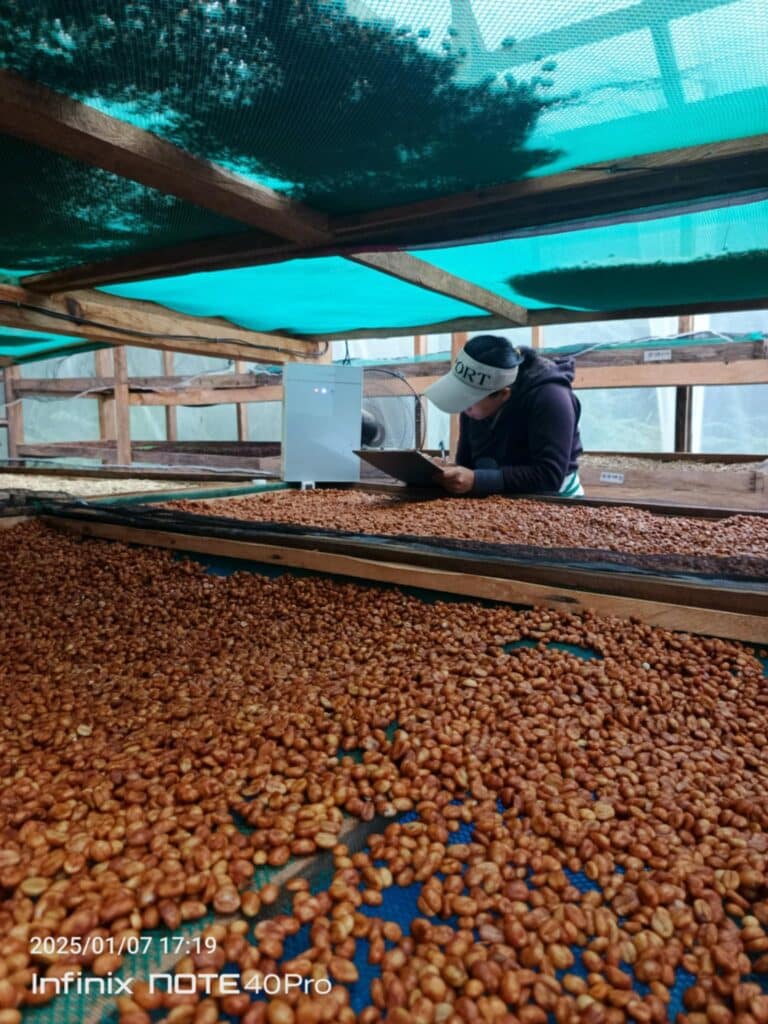
We also kept doing trials. Small adjustments in fermentation time, drying, and handling make a big difference, and the only way to learn is to keep running the experiments and taking notes.
If you’re a roaster or café owner, you know this already: consistency doesn’t “just happen.” It’s built—slowly.
That’s what we’re working on.
2) We’re growing into the size of the farm
The farm started as a restart and then it became clear it was going to be bigger work than we first imagined. We’re now caring for close to 11,000 trees across our forested ancestral land.
Coffee is patient work. Some trees are producing less this year, but I know more will sprout cherries as the farm matures. Every year, we understand the land a little better and every year, the farm asks us to level up.
3) We kept our community work practical
One thing I feel strongly about: community work should not be “extra.” It should be part of the work. Through Kabatangan Coffee Growers, we’ve supported training and planting efforts with nearby farmers—and this year, that included over 3,000 additional coffee trees planted in the association.
Benguet coffee has so much potential. But farmers need support that’s real: skills, consistent quality practices, and access to buyers who value the work.
To our partners and customers—thank you
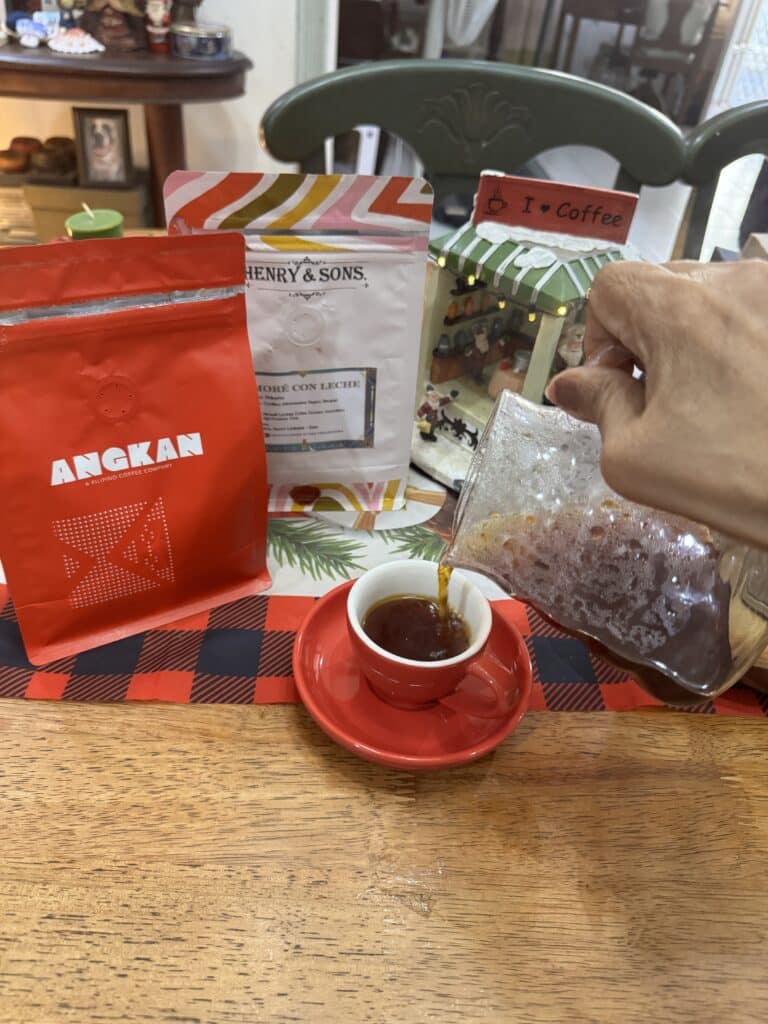
To our café partners, roasters (Angkan Coffee, Henry and Sons, The Good Cup Co.), and buyers: thank you for choosing Philippine-grown specialty coffee, even when imported coffee can be easier to source and predict.
And to everyone who buys and brews our coffee at home—thank you too. I want to say this plainly: your purchase helps more than you think. It keeps the farm running, keeps workers paid, and helps us keep improving season after season.
Why we keep doing this
At the heart of it, this isn’t only about producing coffee.
It’s about rebuilding a relationship with land, with farmers, with the people who drink the coffee, and with the story that started long before us. We want to prove something quietly: that coffee can be high-quality and still deeply rooted in community and care.
What we’re bringing into 2026
Here’s what we’re focusing on next:
- Better lot separation and clearer documentation
- Continuing fermentation and drying trials (and sharing what we learn)
- Ongoing support for Kabatangan Coffee Growers—training, planting, and better market access
- Preparing for increased yields as more trees mature
- Collaboration or partnership with a roaster to help us out in our farm.
If you’re a café, roaster, or brand looking for traceable Benguet Arabica and a direct relationship with the farm, we’d love to connect.
And if you’re someone who simply enjoys the coffee and follows the story—thank you for staying with us.
From our family and our team in Balili, thank you.
—Noemi L. Dado
Farm Manager, Agnep Heritage Coffee