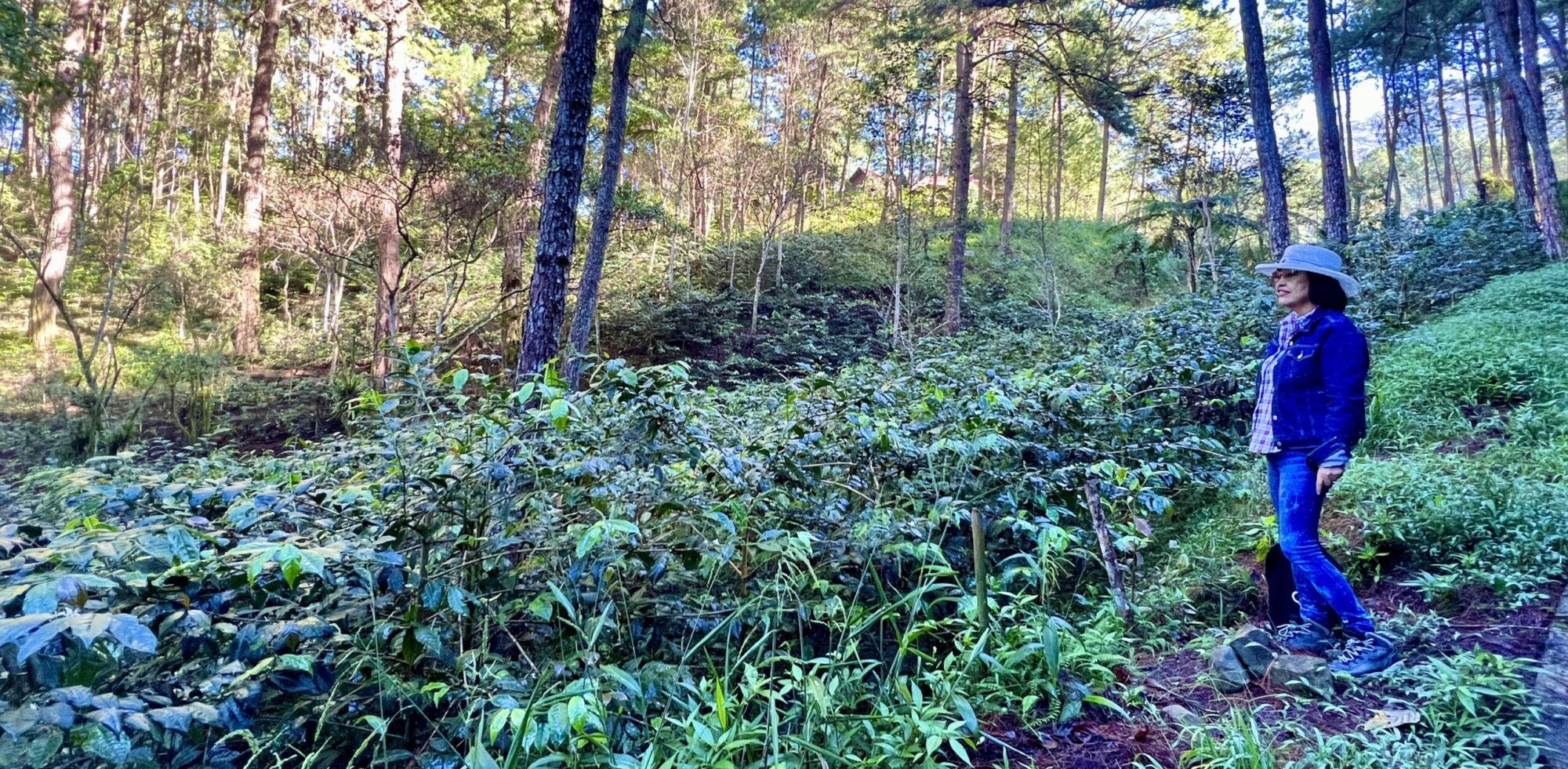
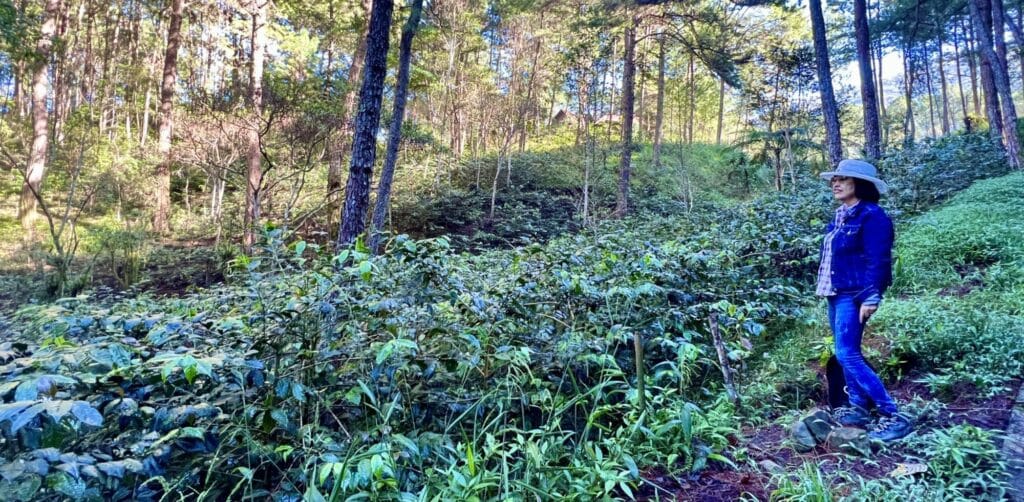
In Sitio Bay-o, Balili, Mankayan, Benguet, our coffee grows the way it always has. Not in open rows under harsh sun, but under a living canopy of pine and kalasan (high-altitude mossy or oak forest), with birdsong around the farm. We protect that canopy because it protects the coffee too. It slows the heat, steadies the land, and quietly shapes what ends up in the cup. That’s why we don’t describe our coffee as just “Philippine coffee.” It’s high-altitude forest coffee from Benguet, grown at 1,620 masl, where canopy and elevation shape the cup from the start.

Agnep Heritage Farm traces its coffee story back to 1906. We hold that date with humility, not nostalgia. For us, heritage isn’t a marketing hook. It’s the day-to-day responsibility of keeping trees alive, keeping the land healthy, and staying honest about what we do. And in 2026, we carry it forward with modern systems too, including DTI and FDA registrations, documented processes, and a lot-by-lot way of managing quality.
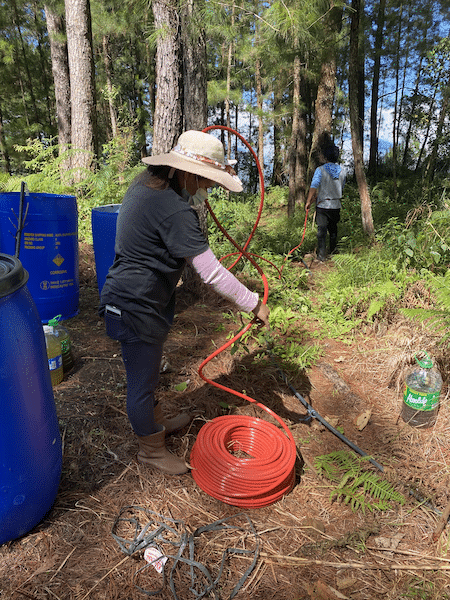
Ethical sourcing starts with what happens on the ground. We take care of our soil with JADAM Microbial Solution, supporting the biology that keeps trees resilient over time. Soil health matters because it’s where the coffee tree gets its balance.
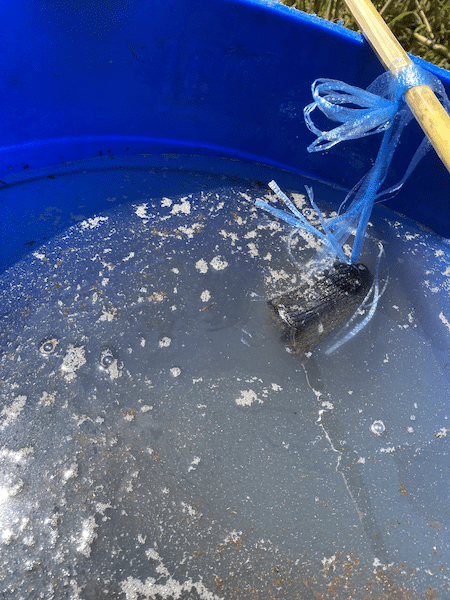
When the soil is active and well cared for, the tree can take up nutrients more steadily, and that shows up later in the cup as cleaner flavor, better structure, and a finish that feels more complete. It’s not magic, it’s foundation.
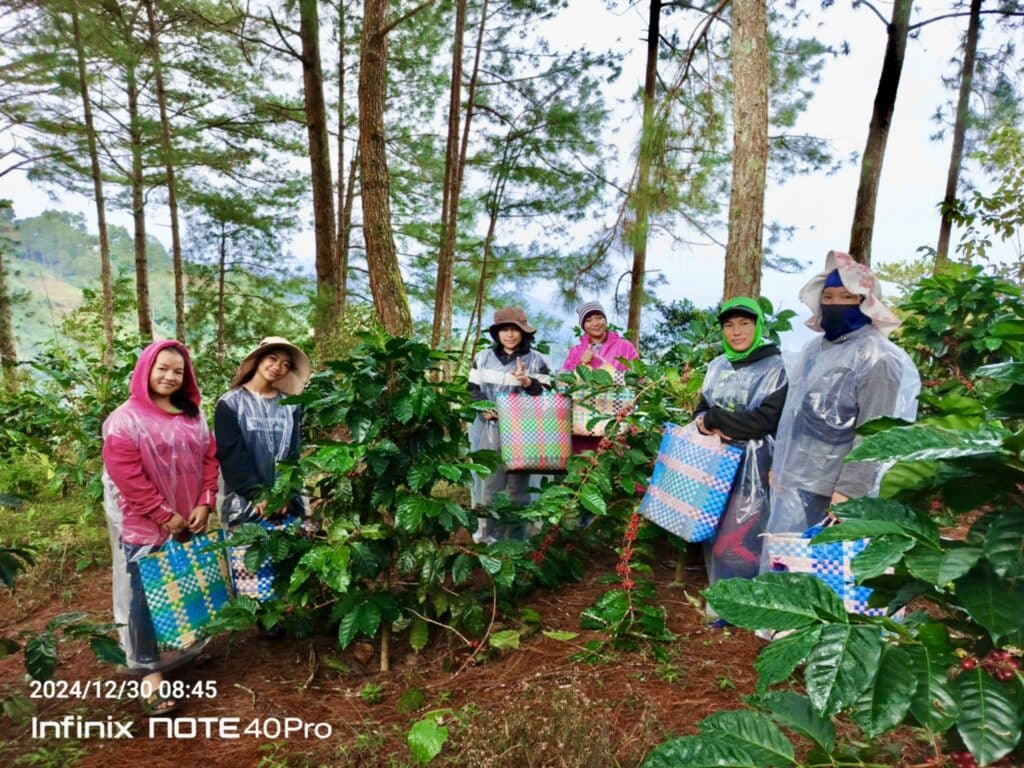
Harvest is just as disciplined. We pick only the ripest cherries, because quality can’t be “fixed” later. After processing, we sort our green coffee beans based on standards through a multi-stage approach, so only the best beans make it to the roaster. In fermentation, we don’t rely on guesswork. We monitor and guide the process using target pH ranges, so results stay consistent from lot to lot. This discipline is how we produce “Agnep Heritage Coffee” with traceability buyers can trust.

This season reminded us of a truth every farmer knows: coffee trees have rest years. A lighter harvest doesn’t mean you did something wrong. Sometimes it’s just the tree’s own rhythm. The best move is to stay with it. Keep pruning, feeding, and protecting the trees even when the harvest feels thin, and don’t walk away just because the season got tough. If you’ve got older coffee trees in the backyard, keep them. Care for them. A better year will come, and the work you do in the meantime will keep your farm moving forward.
For consumers and buyers, our heritage matters because it shows continuity. A farm that stays, improves, and does the work year after year. Philippine coffee has lived in backyards for generations, and we want to help it expand, by building demand for traceable lots and proving that careful farm practices can compete. When you choose coffee with clear origins, you help keep trees standing, forests protected, and small farms worth maintaining.